By Carmody Real Estate
Inspections in this market are less about finding problems and more about understanding what you're taking on. Santa Monica's housing stock spans more than a century, and a 1922 bungalow asks different questions than a 2019 build three streets over. The buyers who come out of escrow feeling confident are the ones who scoped their inspections to the actual house. Here's how we approach it.
Key Takeaways
- California's standard purchase contract sets a default investigation window that moves quickly.
- A general inspection is a visual review, and the specialty add-ons cover what it excludes.
- Coastal conditions and older construction both shape which add-ons make sense.
- Sellers provide statutory disclosures that are worth reading closely alongside your reports.
What Does a General Inspection Cover?
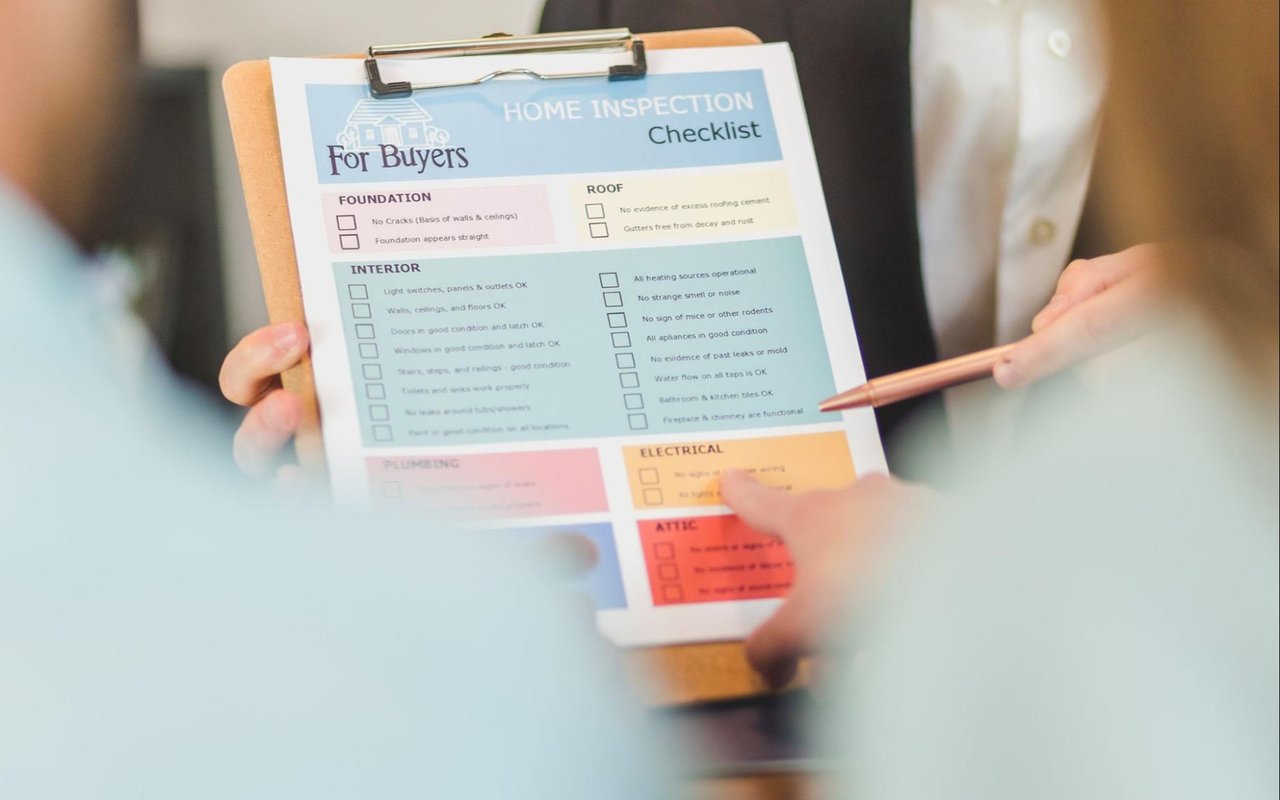
It covers a visual, non-invasive review of the accessible parts of the home. Your inspector evaluates the structure, roof, exterior, plumbing, electrical, heating and cooling, interior finishes, and the attic where reachable. Expect a detailed written report within a day or two, and plan to attend the inspection yourself if you can.
What You'll Get in the Report
- A system-by-system assessment of what's visible and reachable on the day of the visit.
- Photographs of anything the inspector flags, which makes the report useful in later conversations.
- Notes on items that are functioning but nearing the end of their service life.
- A clear separation between what the inspector observed and what falls outside the scope of the review.
Which Specialty Inspections Make Sense Here?
The ones covering what a general inspection deliberately excludes. Below-grade systems, chimneys, and anything requiring specialized equipment fall outside the standard scope, which is why buyers here routinely add two or three services. Which ones depend on the era and location of the house.
The Add-Ons Worth Considering
- A sewer scope sends a camera down the lateral line, which matters on older properties with established street trees nearby.
- A chimney and fireplace inspection is worth it on any home with a masonry chimney, particularly pre-1980 construction.
- A structural or foundation review makes sense on older houses, hillside lots, and anything with visible settlement.
- A roof inspection by a roofer gives you a repair estimate rather than just an observation.
- Termite and wood-destroying organism reports are standard practice in California transactions.
How Do Coastal Conditions Affect an Older Home?
Salt air and marine layer moisture work on a house steadily rather than dramatically, and their effects concentrate in predictable places. Windows, exterior metal, and anything on the ocean-facing elevation take the most. None of this is unusual here, and knowing what to look at makes the maintenance plan obvious.
What to Look at Closely
- Exterior metal, from railings to hardware to flashing, shows coastal exposure before anything else does.
- Window frames and sills on the west-facing side deserve a careful look on any home more than a few decades old.
- Stucco condition and drainage around the base of the house tell you how water has been managed over time.
- Crawl space moisture and ventilation are worth a specific look on raised-foundation bungalows.
- Recently upgraded systems are a true asset here, so ask when the roof, water heater, and heating system went in.
How Does This Fit the California Timeline?
California's standard residential purchase agreement provides a default investigation contingency period, commonly 17 days unless the parties negotiate something different. That window moves faster than buyers expect, so schedule your general inspection within the first few days and line up specialists immediately after. Sellers also provide statutory disclosures worth reading alongside your reports.
Sequencing the Window
- Book the general inspection as soon as the contract is signed rather than waiting for the report on something else.
- Read the seller's Transfer Disclosure Statement and Natural Hazard Disclosure report against what your inspector found.
- Request any specialty inspections immediately, since good specialists book out.
- Get repair estimates before your window closes, because a number is far more useful than an observation in a negotiation.
Frequently Asked Questions
Should we attend the inspection?
Yes, at least for the final hour. Hearing an inspector explain something in the room is worth more than reading it later.
Can we negotiate after the inspection?
Generally yes, within your investigation period. Whether to ask for repairs, a credit, or a price adjustment depends on your situation, and we'll advise on which lands best.
What if we're buying new construction?
Still inspect it. New homes carry warranty coverage, and an independent review during the warranty period is one of the more useful things a buyer can do.
Reach Out to Carmody Real Estate Today
We've guided buyers through inspections on houses ranging from 1910s bungalows to brand-new builds across the Westside, and we know which specialists to call for which kind of house. Scoping it correctly is what makes the report useful rather than alarming.
If you're preparing to buy in Santa Monica, reach out to Carmody Real Estate, and let's talk through your diligence plan. We'd love to help you buy with real confidence.
If you're preparing to buy in Santa Monica, reach out to Carmody Real Estate, and let's talk through your diligence plan. We'd love to help you buy with real confidence.