By Carmody Real Estate
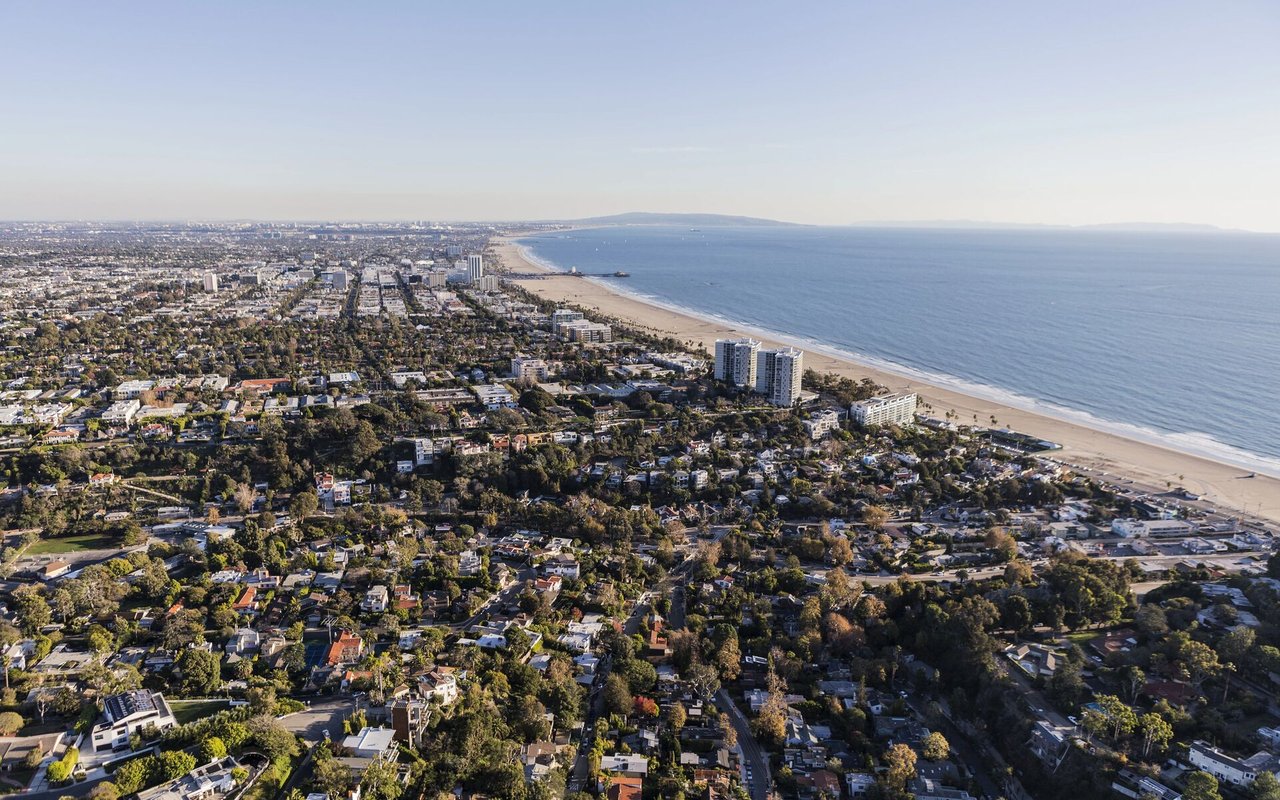
Santa Monica is small enough to learn in a weekend and layered enough that it takes a year to understand. Eight and a half square miles hold a dozen distinct pockets, each with its own rhythm, housing stock, and pace. We relocate buyers into this city regularly, and the ones who settle in fastest are the ones who chose their street deliberately. Here's the orientation we'd give you.
Key Takeaways
- Santa Monica divides into distinct areas with markedly different characters.
- Getting around is easier here than in most of Los Angeles, with real transit options.
- The daily rhythm centers on a handful of commercial corridors and the coastline.
- The former airport site is being converted into a major public park.
What Are the Main Areas?
Think of the city in bands running inland from the ocean. North of Montana holds the largest lots and the most stately homes, Wilshire-Montana runs denser with a strong mix of condos and apartments, Mid-City sits central and varied, Sunset Park stretches south and east with post-war houses on generous lots, and Ocean Park hugs the coast south of the pier with a distinctly relaxed character.
How the Areas Differ
- North of Montana offers the deepest lots and the most established tree canopy, plus the Montana Avenue shopping corridor.
- Wilshire-Montana puts you in close proximity to Downtown and the beach with more attached-home options.
- Mid-City sits central, with a mix of eras and a more moderate entry price.
- Sunset Park runs quieter and more residential, with bungalows and post-war homes on larger parcels.
- Ocean Park pairs beach access with the Main Street corridor and a strong creative streak.
How Do You Get Around?
Better than the regional reputation suggests. The Metro E Line terminates in Downtown Santa Monica, connecting directly to Culver City, USC, and Downtown Los Angeles without a car. The Big Blue Bus system covers the city and the surrounding Westside, and the beach path runs the length of the coastline for cycling.
Transportation Notes
- The E Line light rail terminus sits in Downtown Santa Monica, which is a genuine advantage for anyone commuting east.
- Big Blue Bus routes cover the city densely and reach UCLA, Venice, and LAX-adjacent areas.
- The Marvin Braude beach path runs roughly 22 miles along the coast and is a legitimate commuting route by bicycle.
- The 10 freeway ends in Santa Monica and Pacific Coast Highway runs north, which shapes how you plan trips at peak hours.
- Most of the commercial corridors here are pedestrian-friendly enough that you'll use the car less than you expect.
What Does Daily Life Look Like?
It organizes around a few corridors and the coast. Montana Avenue runs boutique and low-key, Main Street in Ocean Park leans independent and casual, the Third Street Promenade anchors Downtown, and the farmers markets are a genuine civic institution rather than a tourist stop. Palisades Park along the bluff is where the city collects itself in the morning.
The Rhythms Worth Knowing
- The Downtown farmers market on Wednesday mornings is the largest and draws chefs from across the region.
- Palisades Park stretches along the bluff above the beach with paths, benches, and the best sunset views in the city.
- The Santa Monica Pier and the beach get real use from residents, not just visitors, especially outside summer.
- Bergamot Station houses galleries and studios in a former rail yard on the eastern side of the city.
- The Santa Monica Airport site closes at the end of 2028 and is being converted to a large public park, which will reshape the southeast side.
How Should You Plan the Move?
Visit before you commit to an area, and visit at the hours you'll actually be home. The marine layer, the traffic patterns, and the character of a street each read differently at eight in the morning than at two in the afternoon. We build orientation visits for relocating buyers as a matter of course.
Getting the Sequence Right
- Spend time in two or three candidate areas at different hours before narrowing your search.
- Sort out your financing early, since the pace here rewards buyers who can move decisively.
- Consider a short-term rental for a few months if your timeline allows, which lets you choose a street with real knowledge.
- Tell us specifically what your days look like, because that's what lets us match you to the right part of the city.
Frequently Asked Questions
Which area suits someone new to the city?
It depends entirely on what your days involve. Ocean Park and Mid-City tend to suit newcomers well because both offer variety and a moderate entry point.
Do you need a car here?
Less than elsewhere in Los Angeles. Plenty of residents keep one and use it a few times a week, relying on transit, cycling, and short trips on foot the rest of the time.
How competitive is the market?
It varies by price band and property type more than by season. We're glad to give you a current read on your specific range through our home search tools.
Reach Out to Carmody Real Estate Today
Relocating well comes down to choosing the right street rather than the right city, and that judgment is what we bring to every client moving here from somewhere else. We know how these areas actually live day-to-day.
If Santa Monica is on your list, reach out to Carmody Real Estate, and let's plan a visit around how you'd use the city. We'd love to help you land somewhere that fits from the first week.