By Carmody Real Estate
The best value left in this market usually comes wrapped in dated finishes. A sound house with an outdated kitchen trades at a real discount to the updated version next door, and closing that gap is one of the more reliable ways to buy well here. The trick is knowing which projects pay and which ones quietly consume a budget. Here's how we coach clients through it.
Key Takeaways
- Location and structure matter far more than the condition of the finishes.
- Cosmetic work returns more predictably than anything that moves walls.
- Permitting timelines in Santa Monica deserve real planning.
- Budget the calendar as carefully as the construction.
What Makes a Good Candidate?
Good bones on a street you'd choose anyway. A house with a sound foundation, a functional layout, and dated surfaces is the ideal project because surfaces are the most cost-effective thing to change. What you can't renovate is the lot, the light, or the location, so let those drive the purchase.
What to Look For
- A layout that works as-is, since reconfiguring rooms is where budgets go sideways.
- Sound structure and foundation, which a pre-purchase inspection will tell you quickly.
- Original character worth keeping, whether that's wood floors, plaster, or built-in cabinetry.
- Good natural light and orientation, which no renovation can add cheaply.
- A street where the finished home would sit comfortably rather than above the market.
Where Does Renovation Money Go Furthest?
Surfaces and light, almost every time. Paint, flooring, lighting, and cabinet fronts transform how a house reads for a fraction of what a gut project costs. Kitchens and bathrooms deliver the most per dollar when you keep the existing footprint and upgrade what's in it.
The Highest-Value Projects
- Interior paint throughout is the single most cost-effective way to make a house feel current.
- Refinishing existing wood floors beats replacing them on both cost and character.
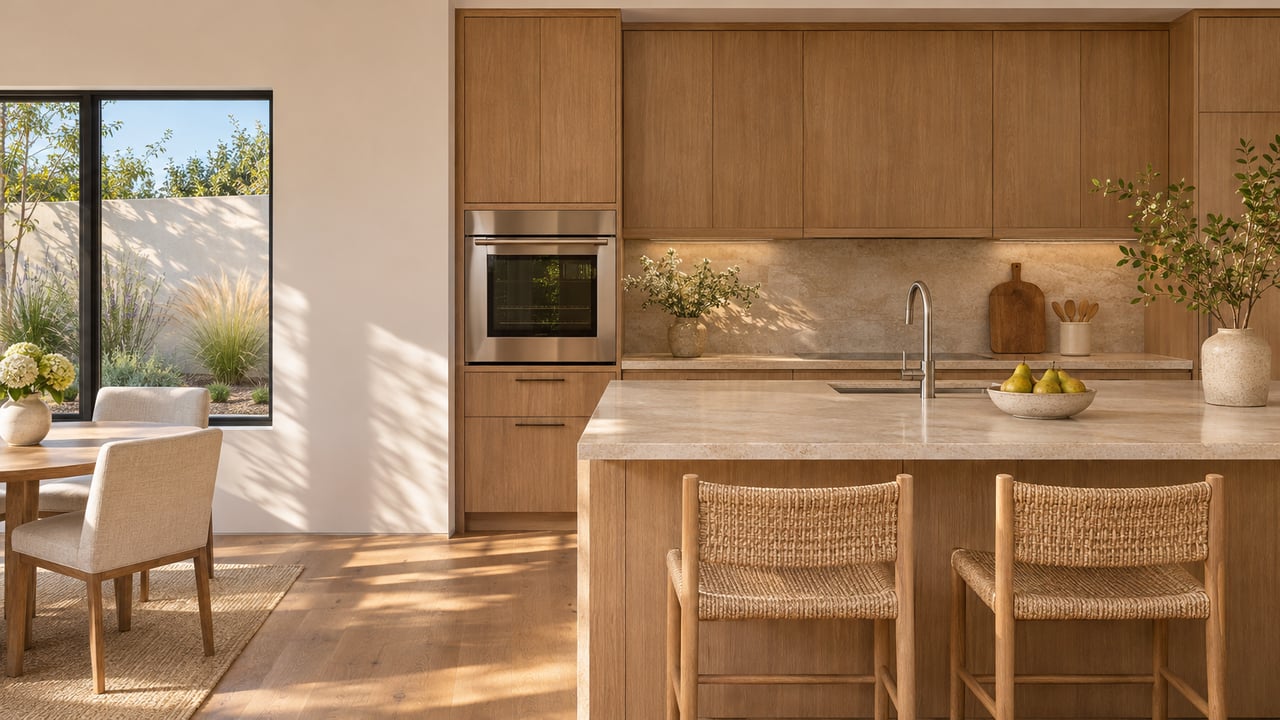
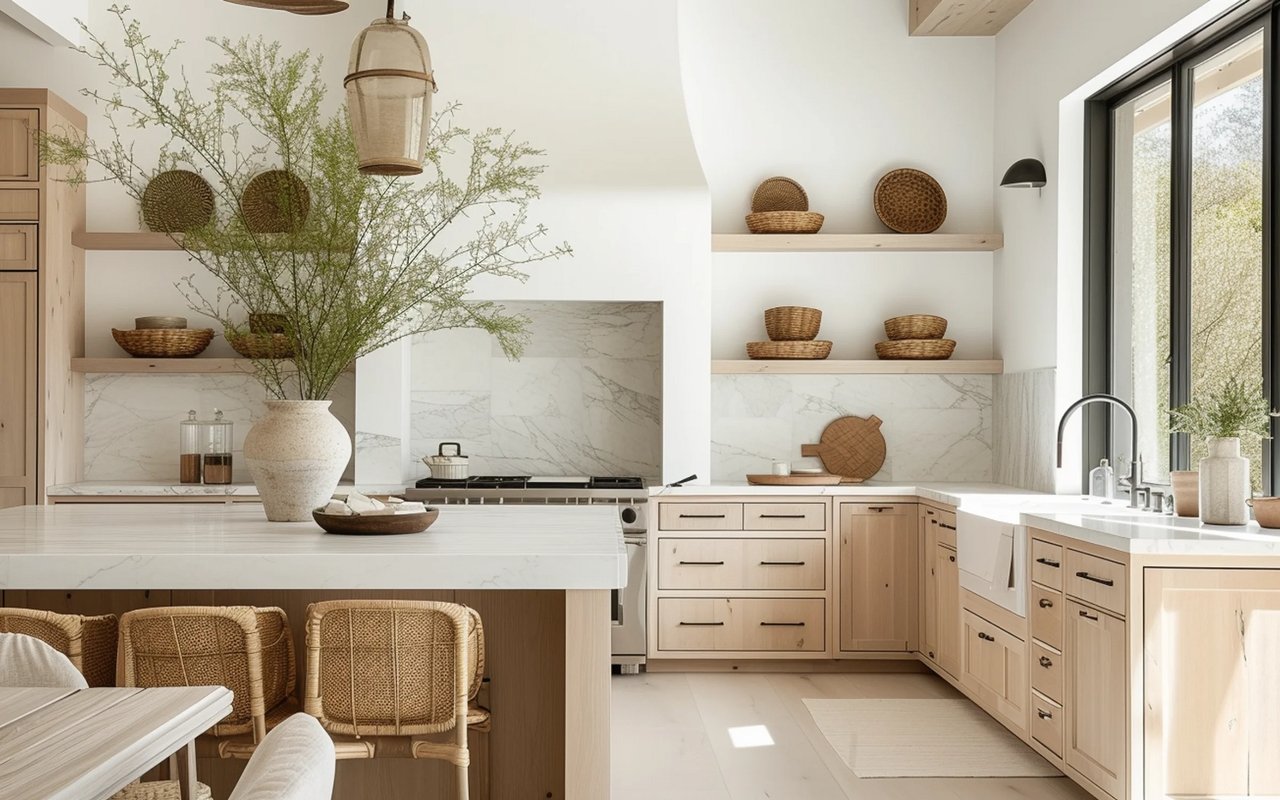
- A kitchen refresh with new fronts, counters, hardware, and lighting keeps the plumbing where it is and still reads as new.
- Updating light fixtures and adding recessed lighting changes how every room feels for a modest outlay.
- Landscape and entry improvements deliver an outsized first impression for very little.
What Should You Know About Permitting Here?
Plan for it seriously. Santa Monica runs its own building and planning review; much of the city sits within the coastal zone, and exterior changes can involve additional review. None of this is a reason to avoid a project, but a renovation calendar built without it will disappoint you.
Planning the Approval Path
- Interior work that doesn't touch structure generally moves fastest through the process.
- Exterior changes, additions, and anything affecting the building envelope take considerably longer.
- Coastal zone requirements apply to a meaningful share of the city, so confirm early where a property sits.
- Older homes may have unpermitted prior work, which is worth identifying during your inspection period rather than discovering mid-project.
- Hire a contractor who has been through Santa Monica's process before, which is worth paying for.
How Do You Budget Realistically?
Build the number from actual bids rather than from square-foot averages, and then add a contingency you truly expect to use. The projects that stay on budget are the ones scoped tightly before the first demolition day, with decisions made in advance rather than during construction.
Keeping the Number Honest
- Get two or three real bids on a defined scope before you close, not after.
- Set aside 15 to 20% as contingency, because older houses reveal things.
- Finalize finish selections before work begins, since mid-project changes cost more than the item itself.
- Phase the work if the budget requires it, starting with anything that involves opening walls.
- Factor in carrying costs through the permitting and construction window.
Frequently Asked Questions
Should we renovate before or after moving in?
Before, if you can manage it. Living through construction costs more in patience than most buyers anticipate, though phasing works fine for cosmetic-only projects.
How do we find a good contractor here?
Referrals, and specifically referrals from projects in this city rather than elsewhere on the Westside. We keep a list and are glad to share it.
Is a fixer still worth it at these prices?
Often yes, because the spread between dated and updated remains wide here. The math depends on the specific purchase price, which is exactly what we'd work through with you.
Reach Out to Carmody Real Estate Today
We've represented buyers on a lot of projects in this city and watched which ones came out ahead. The difference is almost always scope discipline and an honest calendar rather than a bigger budget.
If you're looking at a project property in Santa Monica, reach out to Carmody Real Estate, and let's explore it together. We'd love to help you find one worth pursuing.